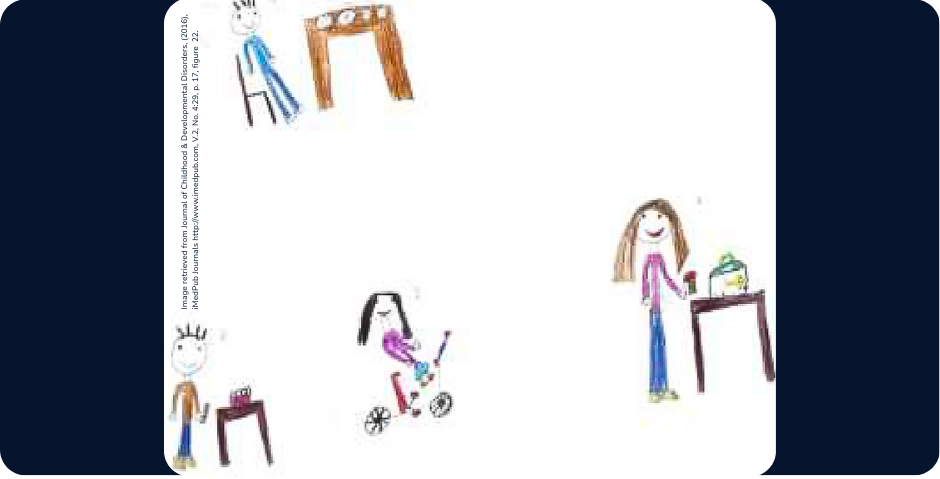
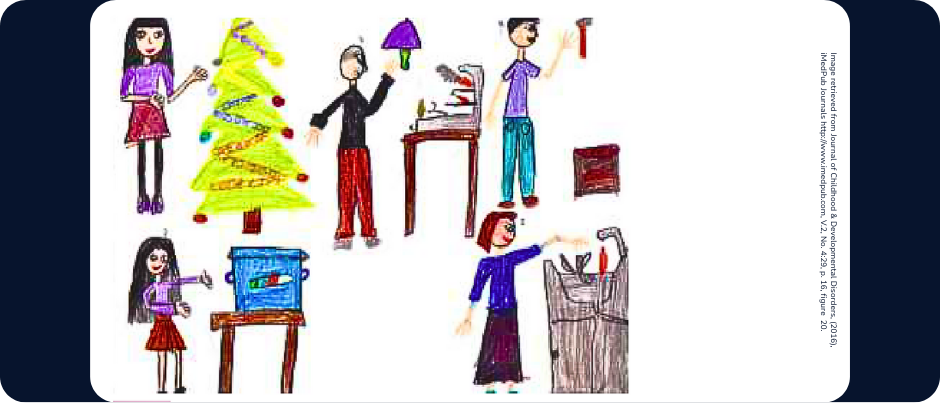
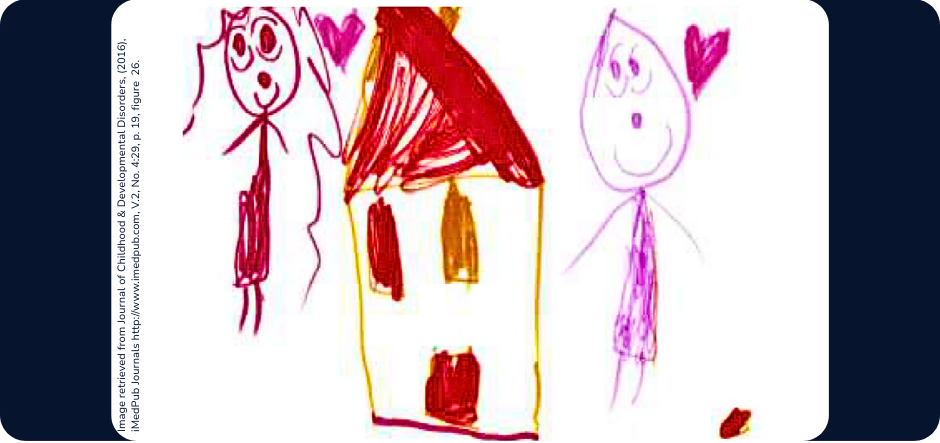
The Family Prism Approach is needed to view the facets affecting each individual.
Each family is a unit, but is also comprised of individuals, each with their own points of view. The actions and reactions are influenced by the multiple facets that are constantly changing.
These different points of view may at times cause friction but can also be a source of strength and vitality, just as a light reflects through a prism, changing colors according to its surroundings.
Why is this important?
When dealing with issues of custody and child support, the family unit is comprised of each parent, the child, close relatives and the family court itself. Exploring each of these points of view, as the prisms shift, is the basis for the Family Prism approach.
This framework illustrates how the uniqueness of each persons’ perspective and familial relationships shape the individuals perception.
Points of view explored
The Family Prism Approach recognizes the needs and experiences of family members while taking into account the decisions made by family court and possible solutions to assist each family member.
Through the Family Prism Approach, the interactions may be seen and understood. The purpose of the Family Prism Approach is to evaluate the interactions and help others see the perspectives to best help each person.
It is necessary to consider multiple factors, adopt a child-centered approach, and thoroughly examine all elements of the situation to ensure that court decisions are made in the child’s best interest.
One or both parents may engage in parental alienating behaviors (Balmer et al., 2018), attempting to negatively affect or even destroy the child’s bond with the other parent.
One of the earliest legal child support cases occurred in New York in 1858. The court acknowledged that “A parent is under a natural obligation to furnish necessaries for his … children…”.